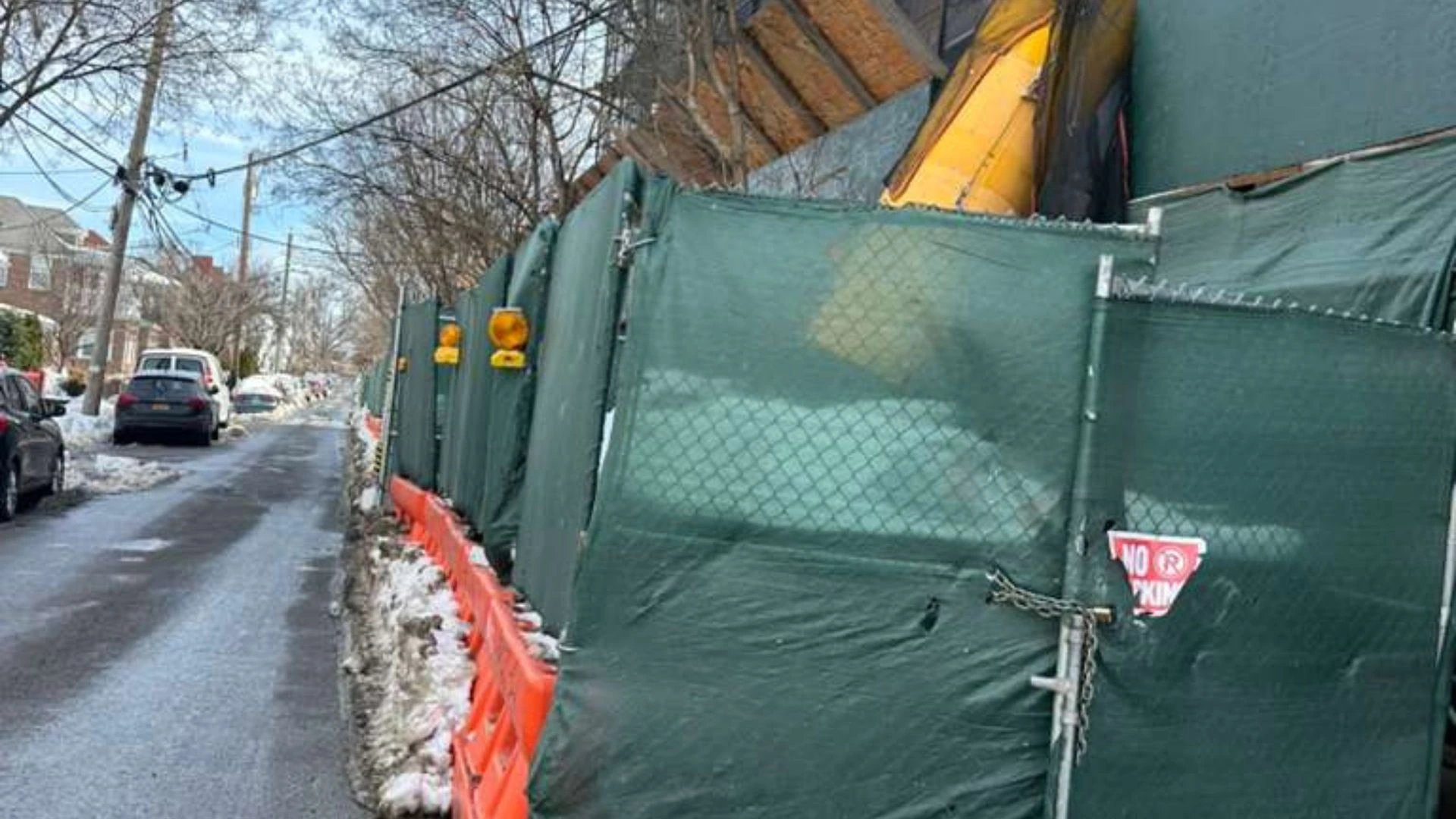
Have you ever wondered what keeps construction workers safe when they’re working dozens of feet above the ground? Or how pedestrians stay protected from falling debris near busy job sites?
The answer is scaffolding. It’s a critical, yet often underestimated, part of every construction project. Scaffolding does far more than hold workers up; it provides stability, accessibility, and safety while ensuring that projects are completed on time and efficiently.
In this guide, we’ll explore why scaffolding is non-negotiable for safe construction, best practices that protect both workers and the public, and link to a full breakdown of types of scaffolding and their uses to help you make an informed decision.
Scaffolding Is More Than Just a Platform
Many people view scaffolding as nothing more than a temporary metal structure, but its role goes far beyond that. Scaffolding provides a stable, safe platform for workers to perform tasks at height.
Proper scaffolding also supports materials and tools, minimizing unnecessary movement that could lead to accidents or project delays. For construction teams, scaffolding is both a workspace and a safety system. Thus helping to maintain productivity while ensuring all tasks are completed efficiently and securely.
Key benefits of scaffolding as a platform:
- Stability for workers at all heights
- Safe storage for tools and materials
- Enhanced access to difficult-to-reach areas
- Reduced risk of accidents or equipment damage
By providing these essential benefits, scaffolding serves as the foundation of a safe, successful project.
Safety Is the Highest Priority
Falls are consistently one of the leading causes of injuries and fatalities on construction sites. Without proper scaffolding, workers are exposed to dangerous situations that can result in serious accidents or delays.
Safety also extends to pedestrians and surrounding properties, particularly in urban or densely populated areas.
Safety advantages of properly installed scaffolding:
- Secure, level platforms that reduce fall risk
- Protection of pedestrians using sidewalk sheds or barriers
- Compliance with OSHA and local safety regulations
- Ability to handle heavy tools and equipment safely
Implementing professional scaffolding systems reduces accidents, safeguards your team, and ensures that your project adheres to all necessary safety standards.
Scaffolding Boosts Efficiency
Proper scaffolding also contributes significantly to project efficiency and productivity. By providing secure platforms at multiple levels, scaffolding allows several workers to operate simultaneously, eliminating unnecessary bottlenecks.
Additionally, scaffolding keeps tools, materials, and supplies close at hand, so workers spend less time moving back and forth to retrieve equipment.
How scaffolding improves efficiency:
- Quick and safe access to all project areas
- Simultaneous work across different floors
- Easier material handling at height
- Faster completion times due to streamlined workflow
Efficient scaffolding reduces downtime, improves worker performance, and ultimately keeps the project on schedule and within budget.
Types of Scaffolding and Their Uses
Construction projects vary greatly, and so do their scaffolding needs. Choosing the right system is critical for both safety and efficiency. Common scaffolding types include:
Pipe Scaffolding
Freestanding, durable structures that support large-scale projects and heavy materials. Our licensed pipe scaffolding contractors handle commercial renovations, new builds, and multi-story projects with precision and full compliance.
Suspended Scaffolding
Hanging platforms perfect for exterior painting, window cleaning, or repairs at great heights. These systems require careful installation but save valuable ground space.
System Scaffolding
Modular, customizable systems designed for quick assembly and flexibility. Useful for projects with complex layouts or tight schedules.
Sidewalk Sheds
Temporary structures are installed above walkways to protect pedestrians from falling debris. These are often required by law in urban areas and essential for high-traffic construction zones.
Each type has its own advantages, and the choice depends on the project’s scale, location, and complexity. Not sure where to start? Read our detailed guide on how to choose the right scaffold system to match your project’s scale, location, and complexity before consulting with our team.
Renting vs. Buying Scaffolding
Many project owners face the decision: rent scaffolding or buy it outright? For most projects, renting is the smarter option. Renting eliminates the need for storage, maintenance, and long-term commitment while offering flexibility for projects of any size.
Benefits of scaffolding rental:
- Cost-effective: avoids storage, maintenance, and upfront purchase costs
- Flexible rental periods: from one day to several months
- Professional installation included: ensures safety and compliance
- Adaptable to project changes: easily adjusted for scope or timeline
Renting scaffolding allows projects to stay efficient, safe, and budget-conscious without the overhead of owning equipment.
Scaffolding is Essential for All Project Types
Scaffolding is essential across residential, commercial, and industrial construction. Each type of project presents unique challenges that require specific scaffolding solutions.
- Residential: Roof repairs, painting, siding installation, and window replacement benefit from scaffolding to ensure safety and accessibility
- Commercial: Multi-story office buildings, retail spaces, and mixed-use developments require scaffolding to maintain workflow and comply with safety codes.
- Industrial: Factories, warehouses, and heavy-duty construction projects rely on scaffolding for elevated access and material handling
By customizing scaffolding to the project type, teams can maintain high standards of safety and productivity across any construction environment.
Safety Best Practices
Even with scaffolding, proactive safety measures are necessary to prevent accidents and maintain compliance. Key practices include:
- Certified installation: Only trained professionals should erect scaffolding
- Daily inspections: An OSHA-compliant scaffolding inspection must be conducted before each use to identify hazards, verify load limits, and ensure every component meets regulatory standards.
- Personal protective equipment (PPE): Helmets, harnesses, and non-slip footwear are mandatory
- Weather monitoring: High winds, rain, or icy conditions must be evaluated before work continues
- Load limits: Never exceed the scaffolding’s specified capacity
These practices ensure that scaffolding performs its primary role: keeping workers and the public safe at all times.
How Scaffolding Protects the Public and Site?
Scaffolding protects pedestrians and nearby property. In high-traffic areas, sidewalk sheds and barriers prevent falling debris from causing injuries or damage. Properly secured scaffolding also prevents accidents caused by structural instability, reducing the risk of liability or project delays.
In urban environments, these protections are essential for maintaining community safety and compliance with municipal regulations.
Westchester Expertise Makes a Difference
When selecting scaffolding solutions, experience matters. With decades of delivering scaffolding services across Westchester County, our team understands local regulations, site challenges, and project complexities, giving contractors and property owners confidence on every job.
We provide scaffolding systems that are customized, safe, and efficient, giving contractors and property owners confidence that every project will meet safety standards and deadlines without compromise.
Conclusion: Scaffolding is Non-Negotiable
Scaffolding is the foundation of safe, efficient, and successful construction projects. From residential renovations to large commercial builds, it ensures that workers, pedestrians, and property are protected while also enhancing workflow and productivity.
Partnering with professionals ensures that scaffolding is installed correctly, maintained rigorously, and used safely throughout the project. For over 20 years, Westchester Scaffolding has provided expert scaffolding solutions that prioritize safety, efficiency, and compliance, helping projects across the county reach completion on time and without incident.
Contact us today to discuss your project and discover how proper scaffolding can make a measurable difference in safety and efficiency.